







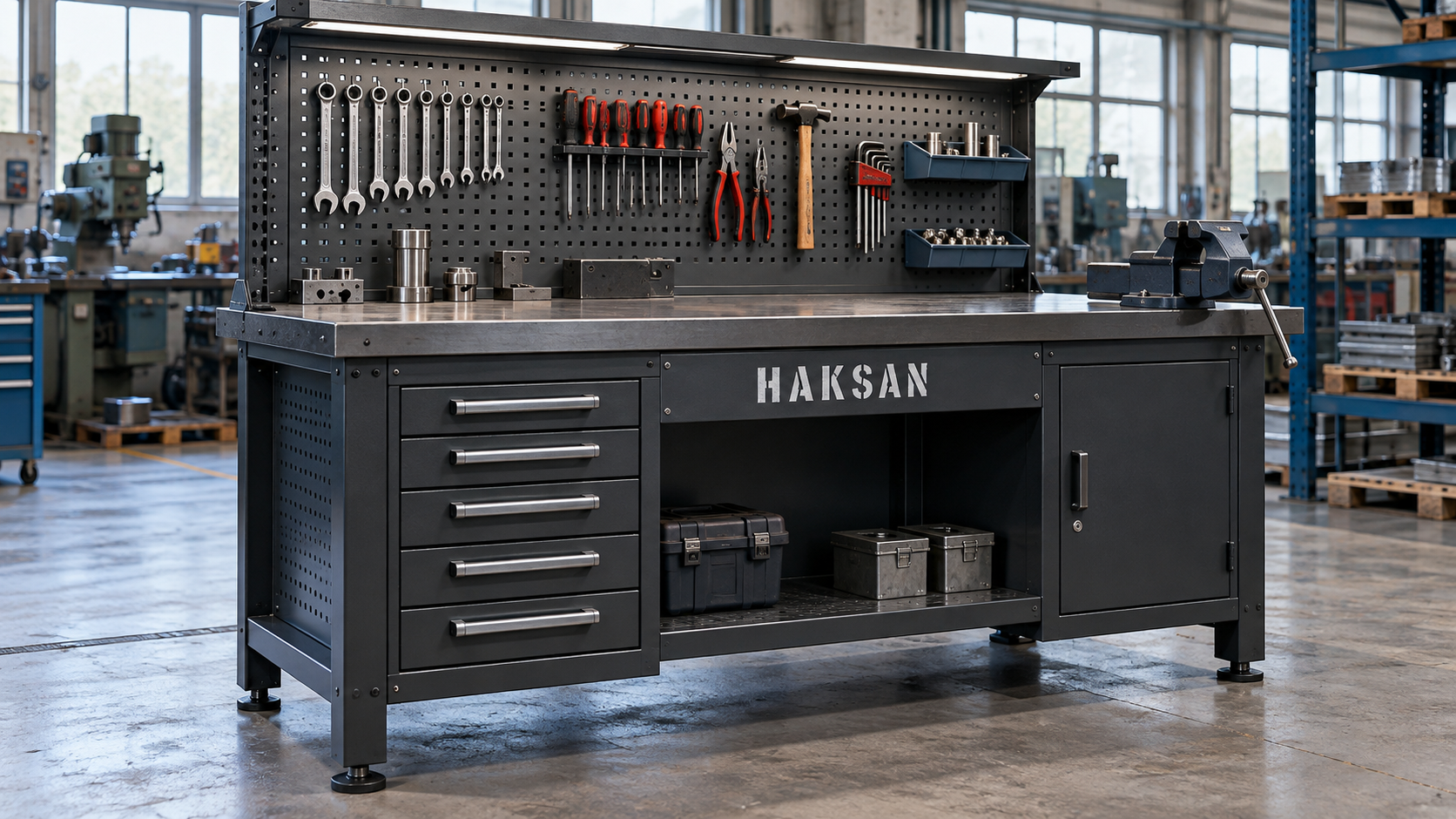
Modular Industrial Workbenches: How to Choose the Right Model for Your Business
Sometimes just looking at the workbench is enough to understand why things are slowing down in a workshop. Constantly searched hand tools, parts piling up on the table, and a narrow space trying to be opened to perform operations... A properly planned bench creates a more orderly working environment by reducing these daily problems.
Modular industrial workbenches offer the opportunity to organize the work surface, storage areas and equipment placement according to the work done. However, not every drawer counter is suitable for every business. The needs of a maintenance service and the expectations of a workshop where heavy metal parts are processed are different. To choose the right model, you need to look not only at the dimensions or appearance, but also at how the machine will fit into your daily workflow.
So, where should you start when deciding between options? First of all, you must determine what operations you will perform on the bench, what equipment you will use and how much storage space you need. The answers to these questions will help you set up a workspace that suits your needs without allocating a budget for unnecessary equipment.
What is a Modular Industrial Workbench?
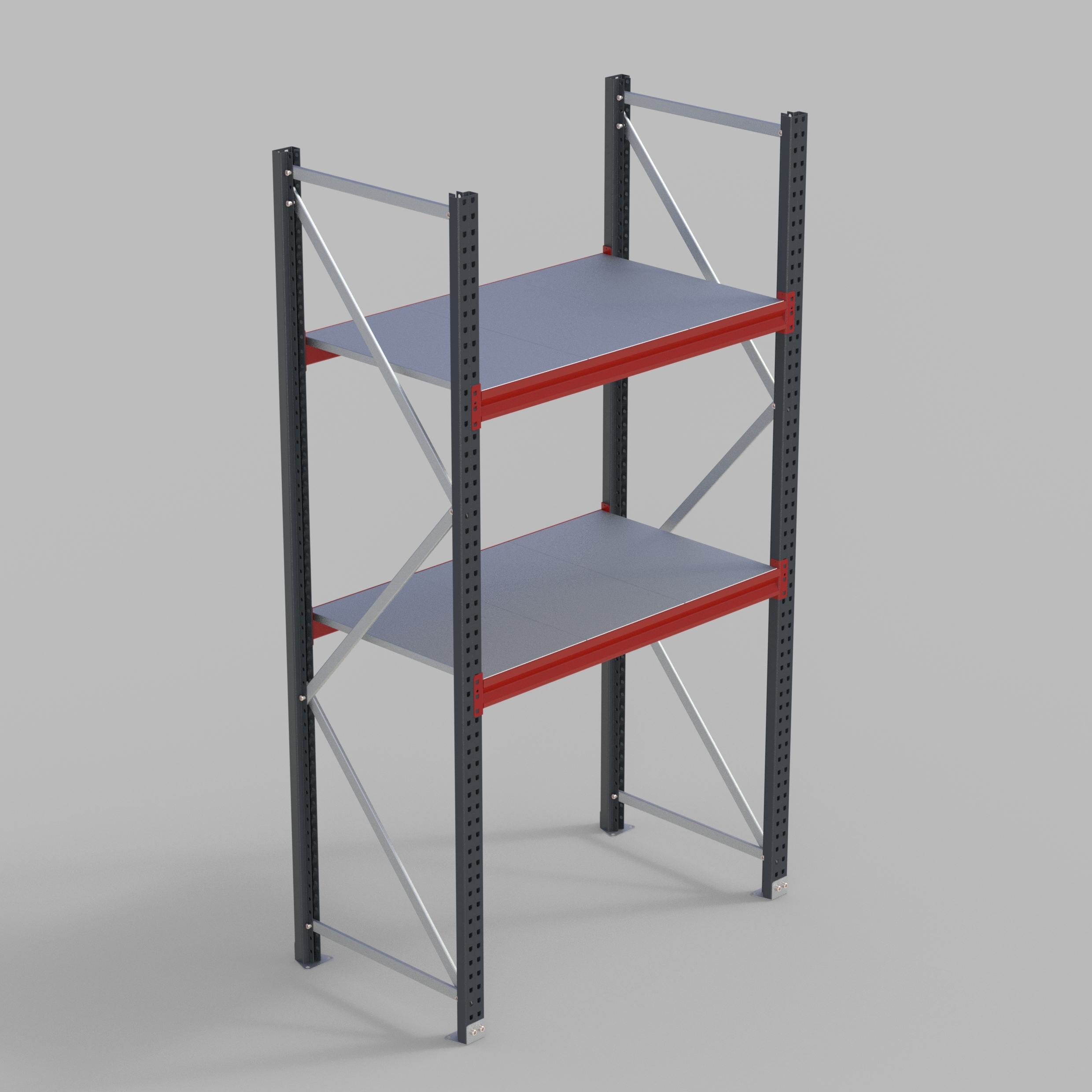
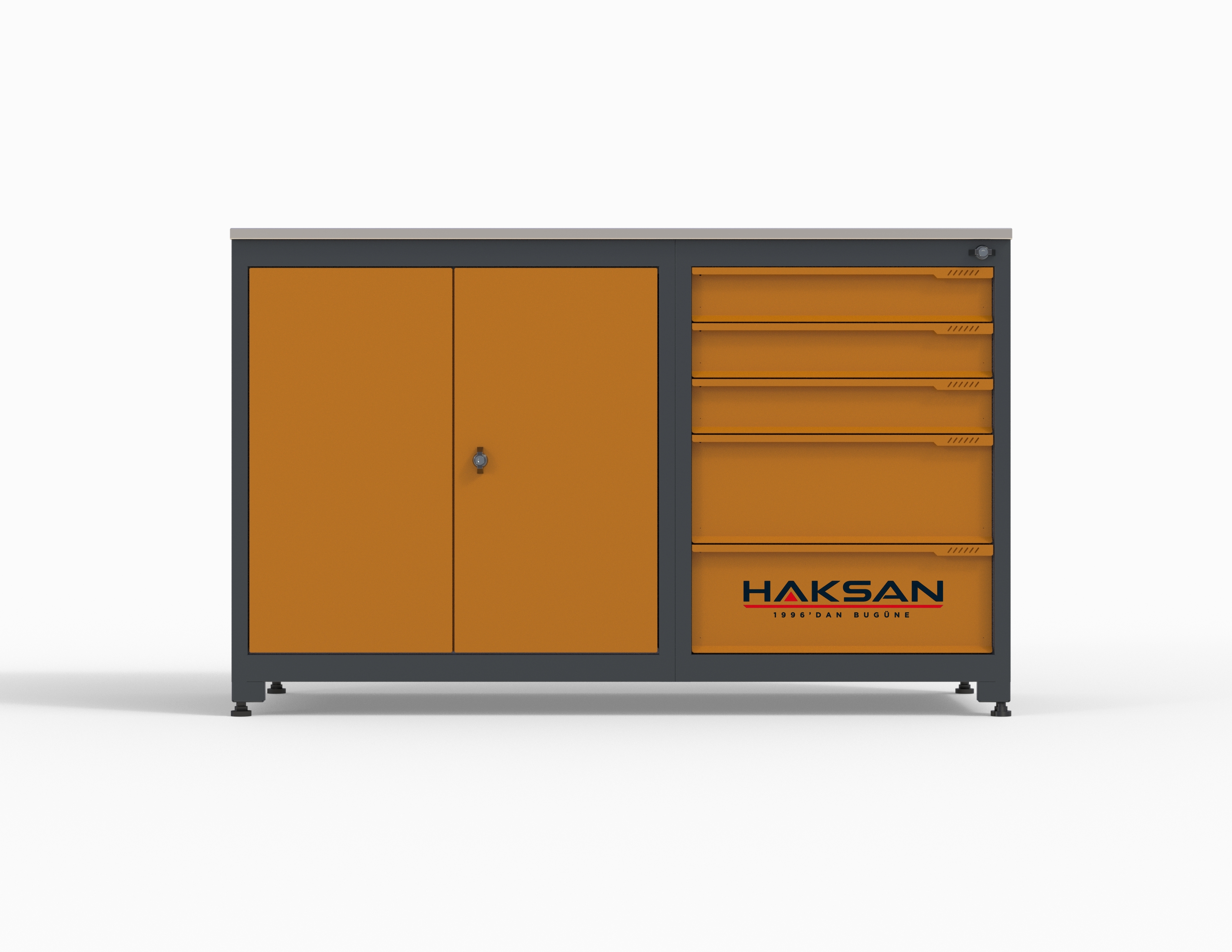
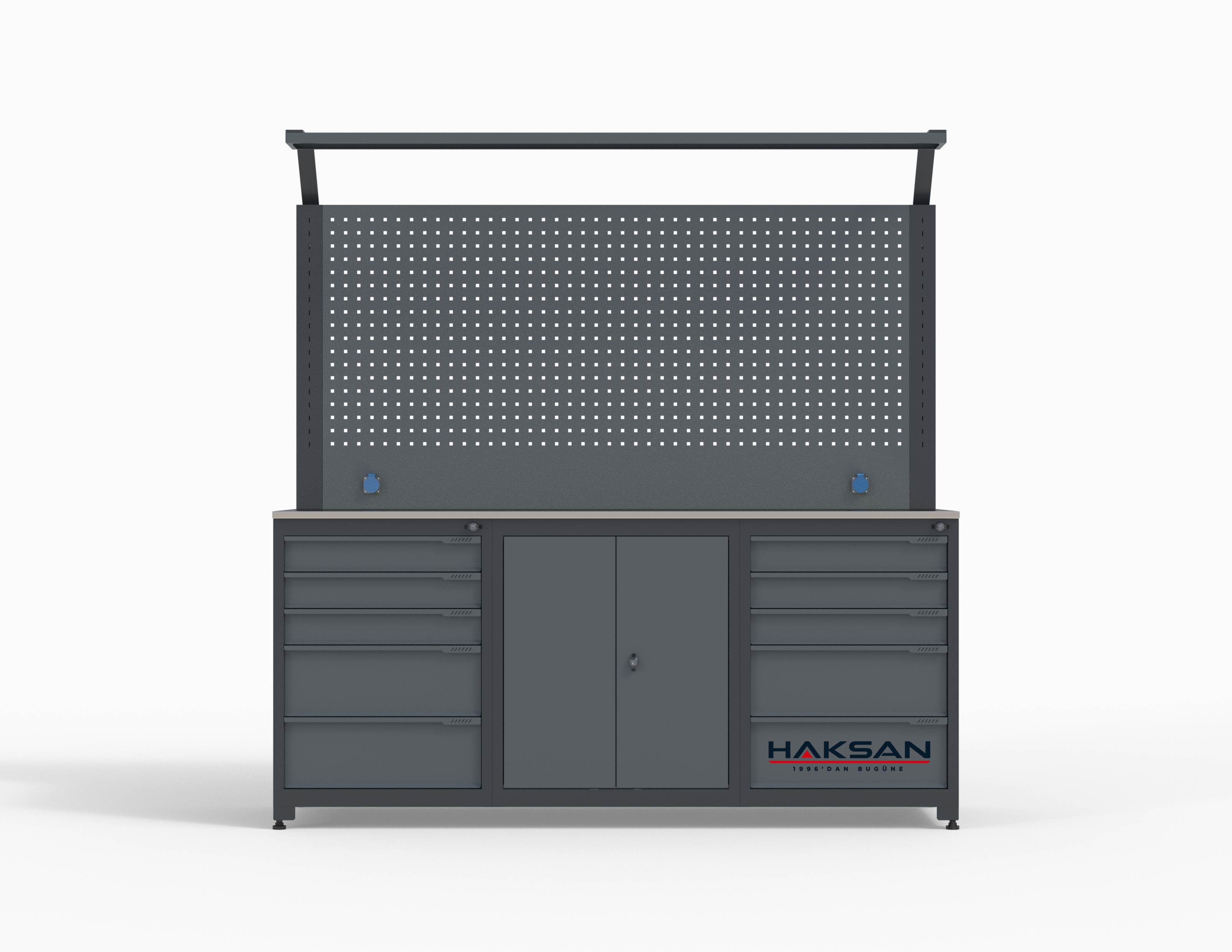
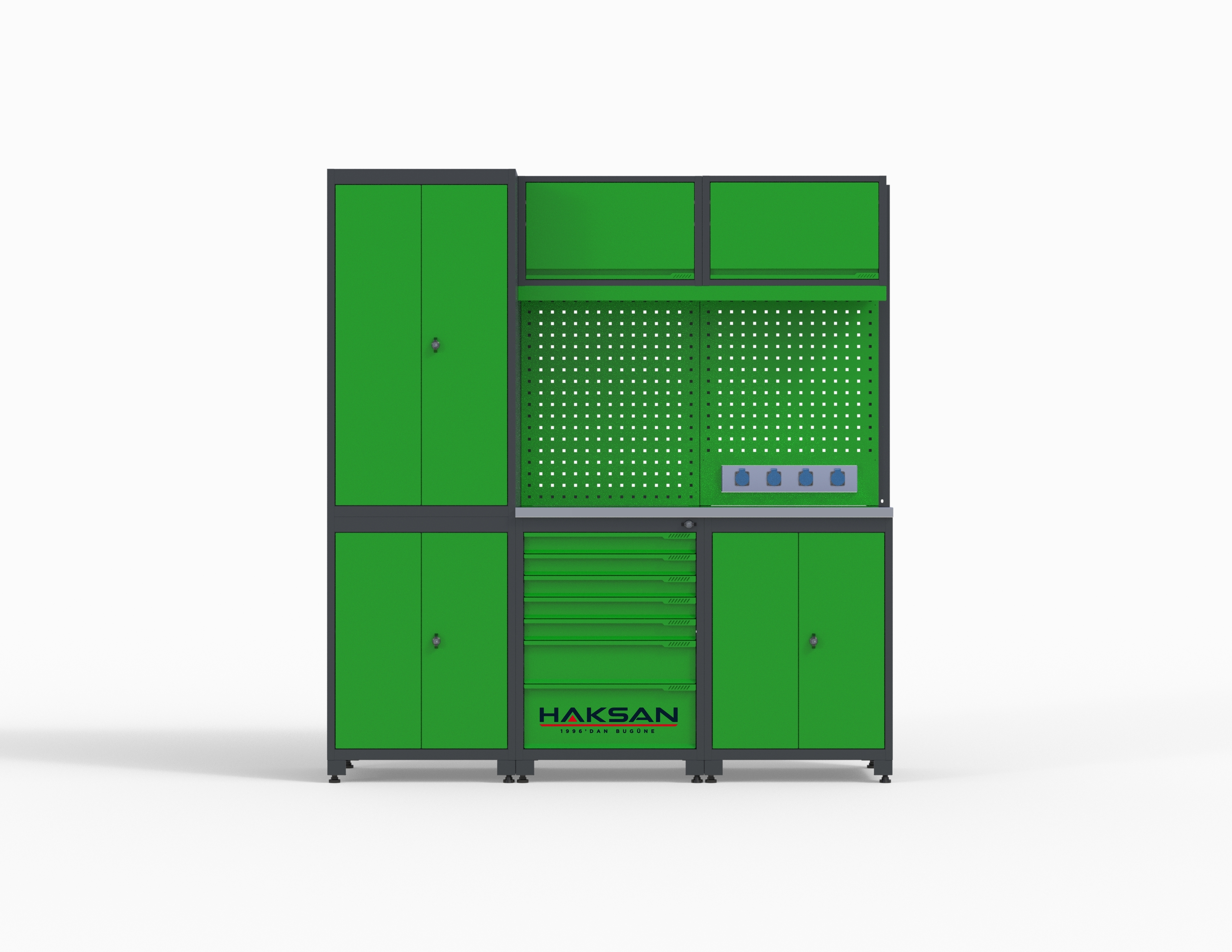
Modular industrial workbench; It is a working system in which different drawer groups, cabinets, tool hanging panels, shelves and similar components can be added to the main carrier body. The modules that can be used and the possibility of subsequent modification depend on the design of the selected product. For this reason, it is important to find out which parts can be replaced and which accessories are compatible with the system at the purchasing stage.
For example, a bench that is initially used only for assembly purposes may later require compartmented drawers for small parts or a back panel for frequently used hand tools. A system with compatible modules makes it easy to organize the workspace according to these new needs. The real value here is that the needed accessory can be placed in the right place, rather than having a large number of accessories.
Define the Work to Be Done First
The first step when choosing an industrial workbench is to clearly define the daily operations. Will mechanical assembly be done on the machine, electronic parts will be inspected, or heavy equipment will be maintained? Each type of use may require a different table, storage arrangement and carrier structure.
- Assembly works: Easy accessibility of parts, sufficient working surface and regular material flow come to the fore.
- Maintenance and repair: Quick access to hand tools, solid connections and a surface suitable for the liquids used. becomes important.
- Electronic work: If working with sensitive components, a holistically evaluated working order with appropriate ESD protection is required.
- Packaging and preparation: Large surface area, access to packaging materials and easy movement of products are priorities.
It may seem practical to use the same bench model for different jobs in the same business. However, arranging each station according to its function can prevent problems such as unused drawers or insufficient surfaces.
Determine Countertop Dimensions According to Your Space and How You Work
Measuring the width of the wall on which the countertop will be placed is not enough alone. Opening drawers, movement of cabinet doors, employee position and material handling routes should be considered together. A countertop that fits on paper may narrow the transition area during use.
Depth is as important as width. A work surface that is too deep can make it difficult to reach tools in the rear area. A narrow surface may be insufficient when working with large parts. When determining the size, take into account the dimensions of the most frequently processed part and the required movement space around this part.
The working height should also be suitable for the job and the user. Precision assembly work done while standing and sitting down do not require the same order. Models with adjustable height can be considered at stations that will be used by more than one person. If you are going to work sitting down, the drawer and cabinet placement should not block the leg space.
Do Not Consider Carrying Capacity Only as Total Weight
The weight of the pieces that will sit on the countertop is one of the basic criteria of the selection process. However, it is necessary to learn under what conditions the carrying capacity specified in the catalog is given. A load evenly distributed on the surface and a weight concentrated at a small point do not have the same effect. The use of vices, impact operations or vibration-producing equipment should also be evaluated.
When examining the workbench carrying capacity, in addition to the main body, the limits of the table, drawer rails and wheels, if any, should also be asked. It should not be assumed that a capacity declared for stationary use is also valid for mobile use. Clearly explaining your usage scenario to the manufacturer makes it easier to determine the technically suitable model.
Choose the Work Table According to the Conditions of Use
The table is the part of the bench that comes into direct contact with the work. Therefore, surface selection should not be based solely on appearance. Determine in advance which factors such as oil, cleaning agent, impact, scratches or heat will be involved. Verify the compliance of the surface with these conditions through the technical information of the product.
While metal surfaces are preferred for some mechanical work, wood-based or veneered tables may be suitable for different assembly applications. If you are working with scratch-sensitive products, surface properties that will protect the part become important. In stations where electronic components are located, it should not be enough to choose a tray defined as "antistatic"; grounding and other ESD precautions should be considered together.
Plan Drawer, Cabinet, and Tool Board Together
Unneeded items won't accumulate on a well-organized countertop. Frequently used tools are kept in easily accessible locations, and spare parts are kept in designated compartments. For this, it is necessary to decide which material will be stored where before the number of drawers.
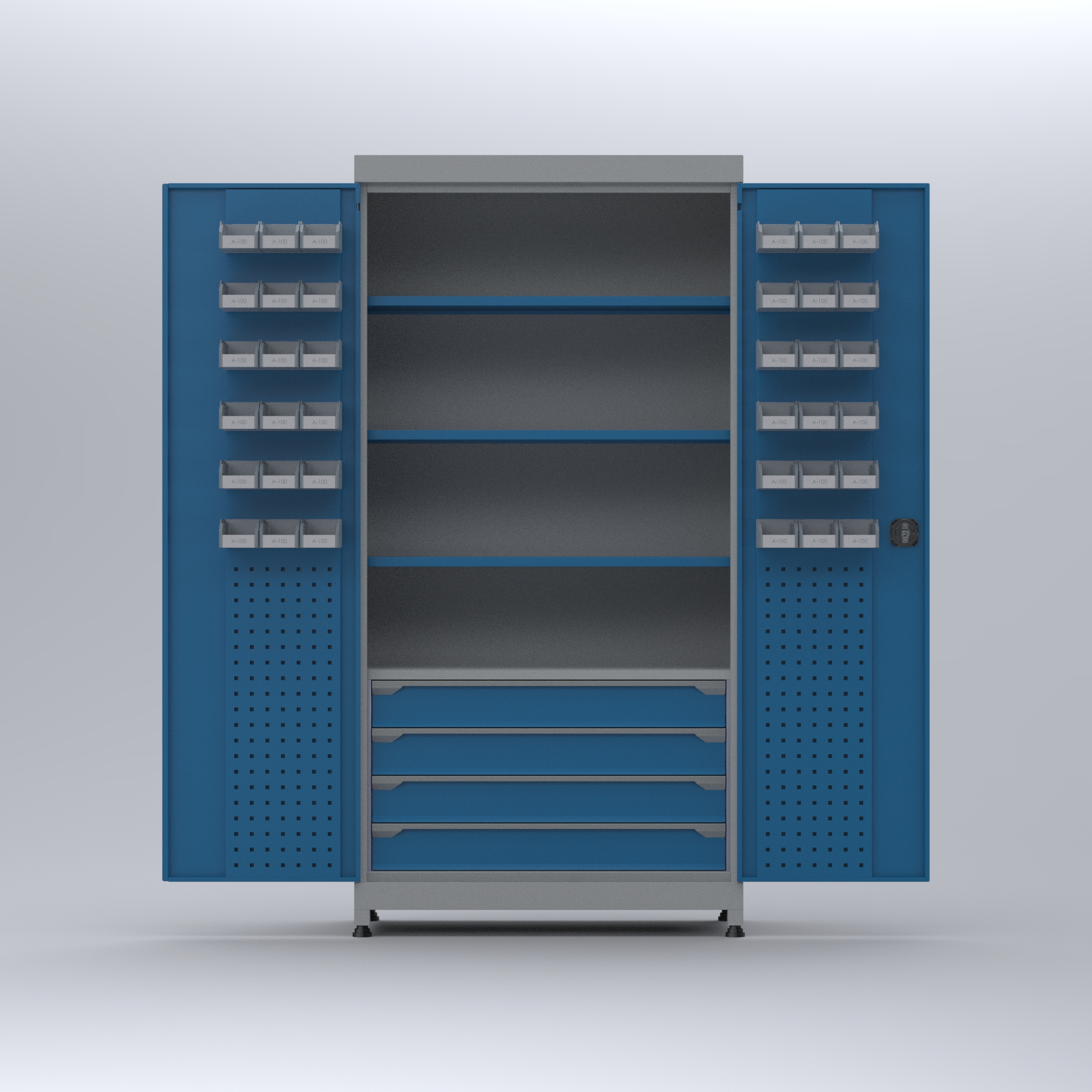
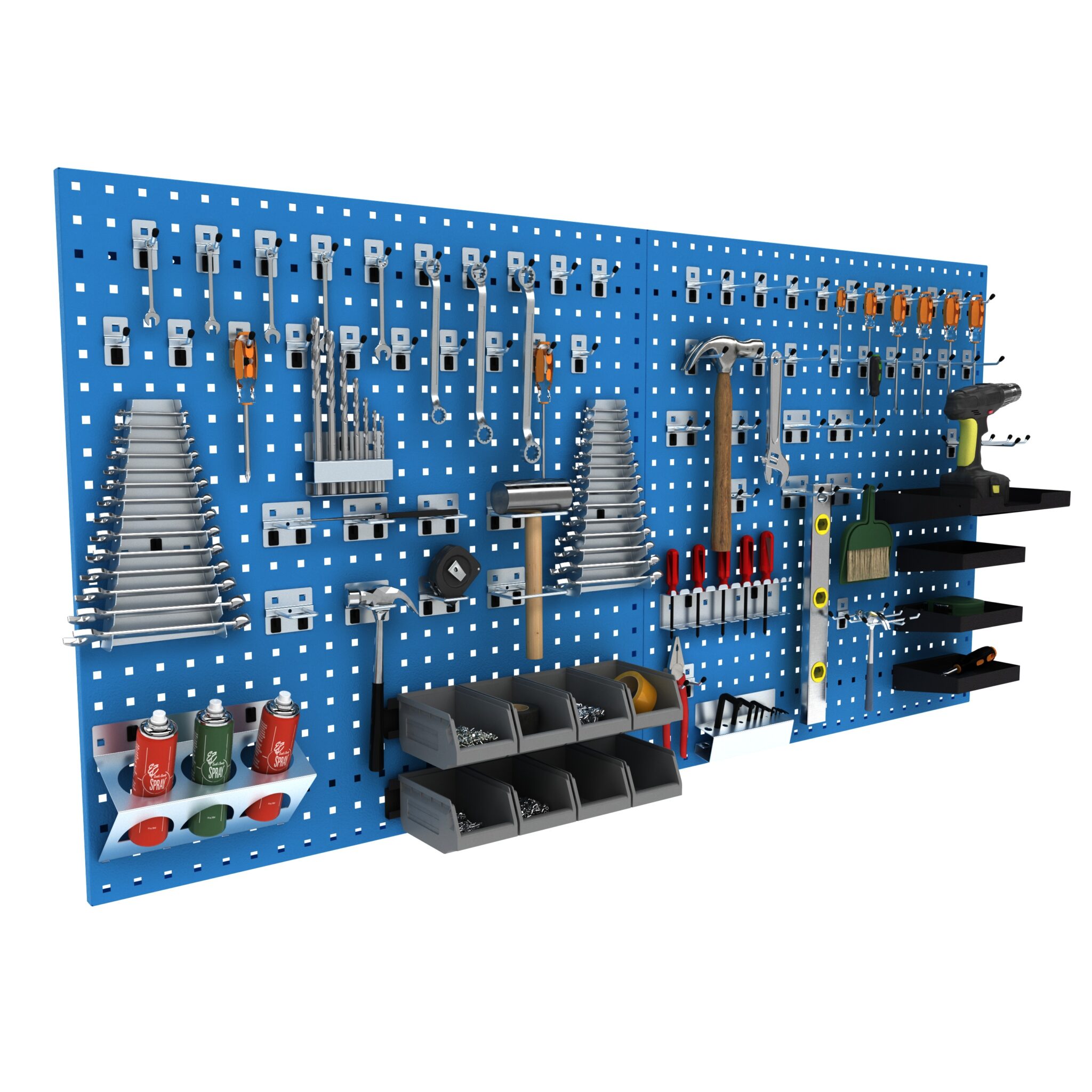
For small fasteners, compartmented and shallow drawers may be useful. Larger hand tools may require deep drawers or cabinet sections. Tool hanging panels ensure that frequently used tools are visible and accessible. When placing the panel and top shelf, the employee's field of vision, access distance and lighting needs should also be taken into account.
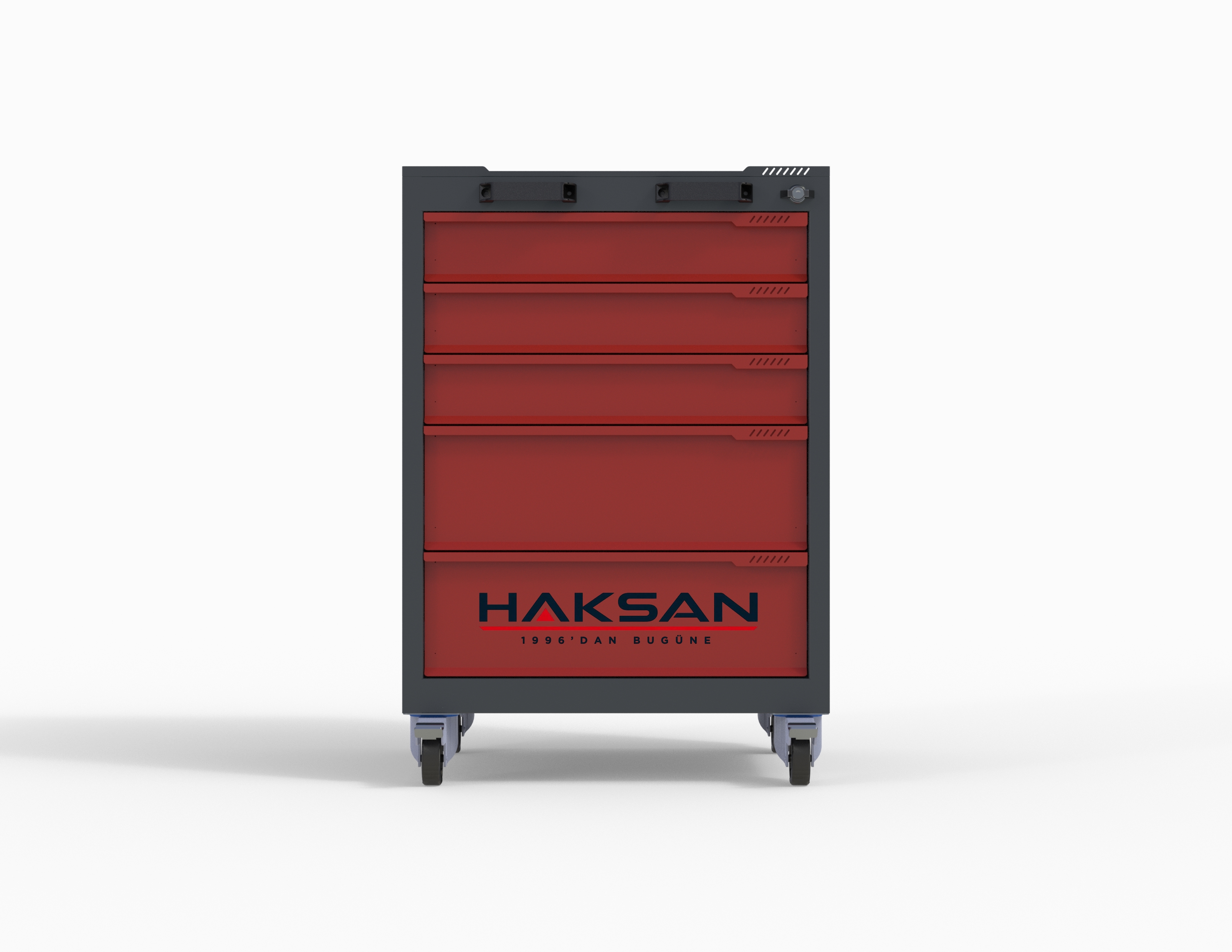
For workbenches with drawers, examine the capacity of the rails, opening distance and locking options. Also ask about precautions taken against opening more than one drawer at the same time. Especially in systems where heavy tools are stored, placement in accordance with the usage instructions and fixing, if necessary, is important.
Fixed or Wheeled Workbench?
If the workbench will be used constantly at the same station, fixed models can be considered. If equipment needs to be moved to different locations, wheeled workbenches can adapt to the workflow. However, ease of movement alone is not enough to make a decision; The condition of the ground, thresholds, transport route and the required stability during operation should also be taken into account.
In a wheeled model, the brake system, total load capacity and the manufacturer's conditions of use in motion should be checked. If operations that require impact or high force are planned, the suitability of the model for this job should also be verified.
Compare Price Offers on the Same Hardware
Modular industrial workbench prices; It varies depending on size, body structure, table type, drawer hardware and accessory options. The price difference between two products that look similar from the outside can be caused by various details, from the rail mechanism to the surface material.
For a healthy comparison, check which components are included in the offers. Clarify whether toolboard, lighting, drawer dividers, shipping and assembly are included. Warranty conditions, spare parts supply and the possibility of adding compatible modules in the future should also be considered in the purchasing decision.
Prepare a Short Needs List Before Ordering
Collect your business's needs in a single list to avoid getting lost among the options. This preparation both speeds up the negotiations and facilitates the comparison of offers:
- Dimensions and transition layout of the area where the machine will be installed.
- Processes to be performed and equipment to be used.
- Part weights and distribution of the load on the surface.
- Required drawer, cabinet, shelf and panel arrangement.
- Liquids and other working conditions that the table surface will encounter.
- Need for fixed or mobile use.
- Modules that are considered to be added in the future.
The right modular industrial workbench adapts to the natural flow of daily work. The employee easily reaches the tool he needs, finds enough space for the part, and performs the operation on a suitable surface. Therefore, make your choice not according to the model that offers the most accessories, but according to the configuration that meets the real needs of your business.