






Storage and Shelf Selection
Bursa Shelf Systems: How to Choose the Right Shelf for Your Business?
If it takes more than a few minutes to find the product you are looking for in the warehouse, if new boxes are constantly left in the aisles, or if you cannot display enough products in your store, the problem may not only be lack of space. Sometimes the business's need is not a larger space, but a shelf arrangement that utilizes the available space correctly.
However, choosing a shelf is not just about taking the measurements of an empty wall and ordering products that fit that size. The weight of the material to be stored, how often the products are moved, and how employees will reach the shelves should be considered together. This is the starting point for businesses looking for Bursa shelving systems: First, clarifying the need, then determining the system that suits this need.
So, how to choose the right shelf that makes daily tasks easier and can be used for a long time?
Clarify What You Will Store First
A spare parts warehouse and a clothing store cannot be expected to get the same efficiency from the same shelving system. Small boxes, heavy machinery parts, textiles and palletized materials require different layout solutions.
Before you start choosing, evaluate your products not only by their type, but also by their size and frequency of movement. Keeping a product purchased dozens of times a day and a material needed once a month in the same spot creates unnecessary workload over time.
Answers to the following questions will make your job easier:
- Will the products be stored individually, in boxes, or on pallets?
- What is the total load to be placed on a shelf floor?
- Are the dimensions of the products close to each other?
- Is loading and unloading done manually or with equipment? What will be done?
- Does the stock amount change throughout the year?
For example, being able to change shelf spacing can be an important advantage in a seasonal business. A layout prepared with fixed dimensions may have difficulty meeting the needs when the product variety increases.
Don't Think of the Area as Only Square Meters
The height of the area where the shelf will be installed is as important as the width and length. But having a high ceiling doesn't necessarily mean that the shelves have to reach all the way to the ceiling. How to reach upper floors, how to transport products and how to protect the work area should also be planned.
Take doors, columns, windows and plumbing points into account during measurement. A shelf that looks suitable on paper may prevent the door from opening or narrow the product acceptance area when installed.
Especially in warehouse shelving systems aisle widths should be determined according to the transport equipment used and the workflow. Narrowing passages for the sake of accommodating more shelves can slow down loading and order preparation.
Determine the Type of Shelf Suitable for Your Business
When examining Bursa shelf options, you may encounter different systems. The important thing here is not to choose the largest or most flashy model, but to find the solution that suits your usage style.
Light and Medium Duty Racks
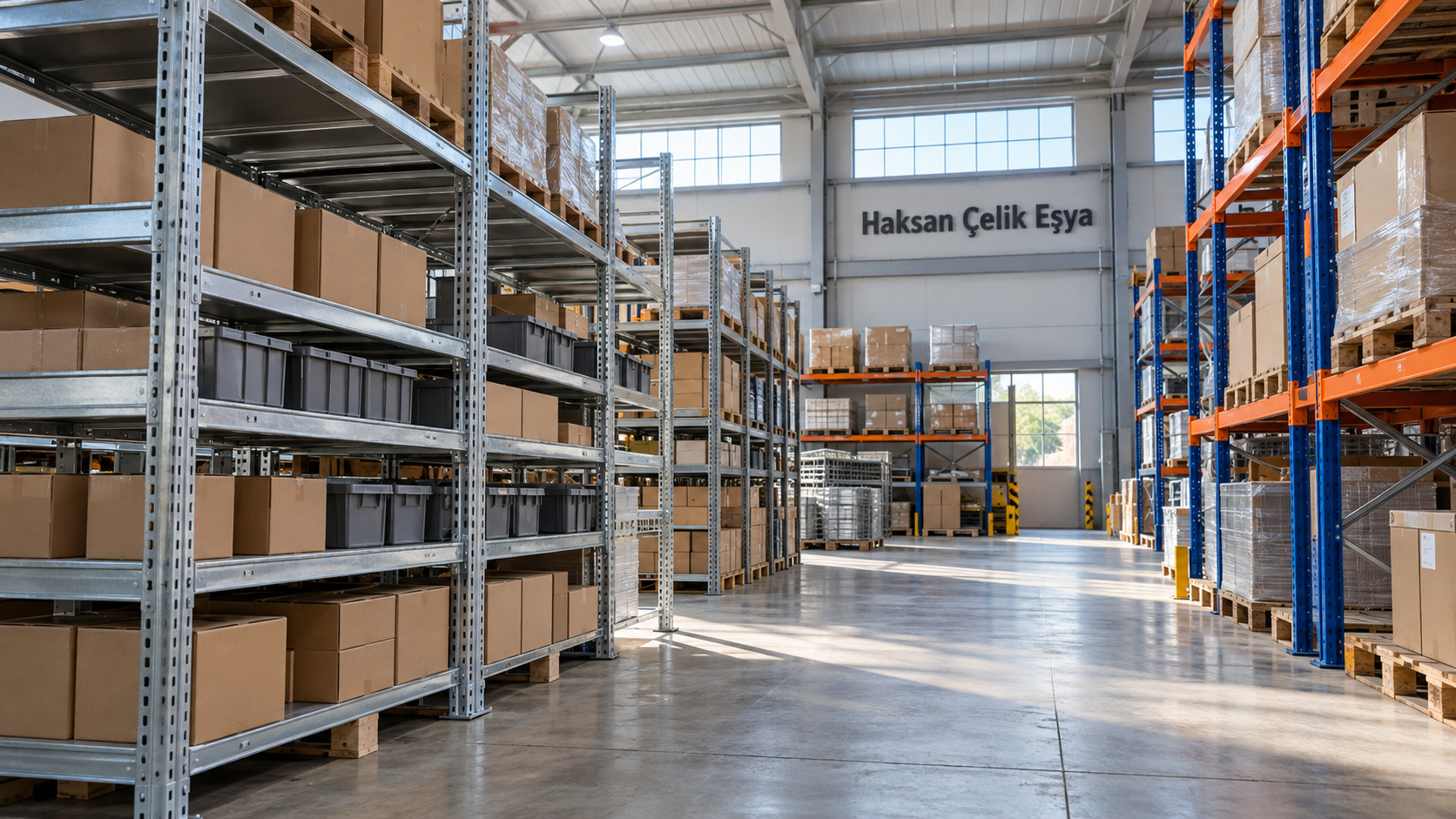
Hand-placed boxes can be used for small spare parts, archive files and various consumables. Adjustable shelf levels make it easier to organize products of different sizes.
However, the expression "metal shelf" alone does not give sufficient information about the carrying capacity. The capacity, dimensions and usage conditions of each model should also be checked.
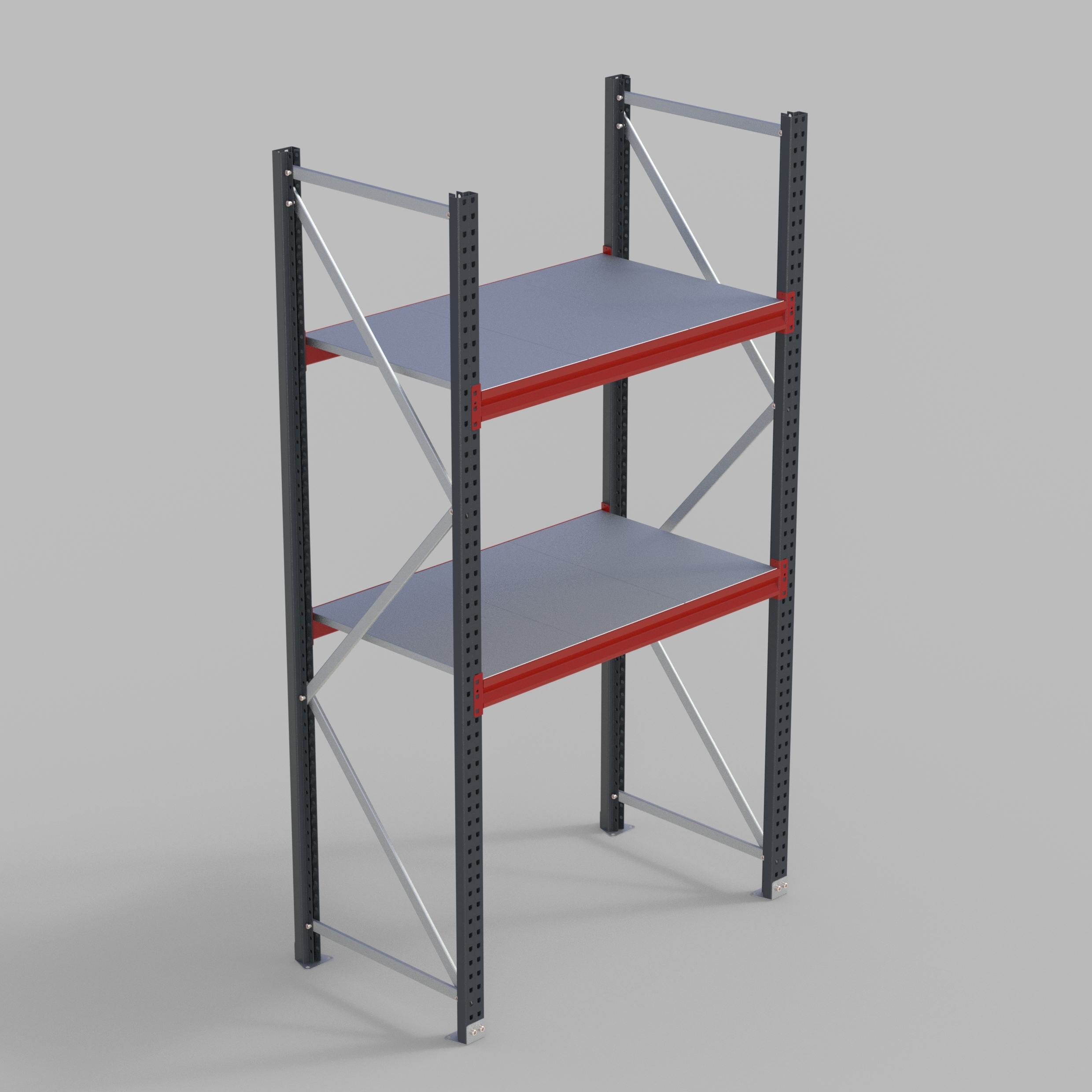
Heavy Load and Pallet Racks
For products kept on pallets or with high weight, systems designed for this use should be evaluated. Pallet dimensions, load distribution, transport equipment and storage height are considered together.
In such projects, it is not enough to decide just by looking at the outer dimensions of the shelf. The technical features of the system must comply with the actual loading conditions of the business.
Store and Display Shelves
In addition to carrying the products, shelves in stores also affect the customer's shopping experience. It is important to see the products easily, read the price tags, and easily find the section the customer is looking for.
Wall shelves help utilize the surrounding space, while central area units can be used to separate product groups. When placing, care should be taken not to unnecessarily block the field of view from the store entrance.
Shelf Solutions for Long Materials
Pipes, profiles and similar long products may not be stored efficiently on standard shelves. For these materials, systems suitable for the shape of the product, such as shelves with console arms, can be evaluated.
During the selection, the weight of the material and the way it is supported are as important as the length.
Do not guess at the carrying capacity
One of the issues that can be overlooked in the selection of shelves is the confusion of floor capacity with the capacity of the whole unit. The load that a single level of racking can carry is not the same as the total capacity of the system.
In addition, the concentration of the load at a single point by spreading it evenly over the surface can create different conditions. Therefore, when getting capacity information from the supplier, also find out which loading order it is valid for.
Your current products may be light; However, if you are likely to put heavier materials on the same shelves in the future, share this at the purchasing stage. Changing the way of use later may render an initially suitable system insufficient.
Issues such as installation, fixing and ground suitability should also be evaluated according to the manufacturer's technical conditions. It is not possible to understand that a shelf that looks solid has been installed correctly just by looking at it from the outside.
Look at the Details That Make Daily Use Easier
Whether a shelf system is useful or not can often be understood during a busy workday. If the employee has to lift another box every time he buys a product or if the labels are not visible, the layout needs to be improved.
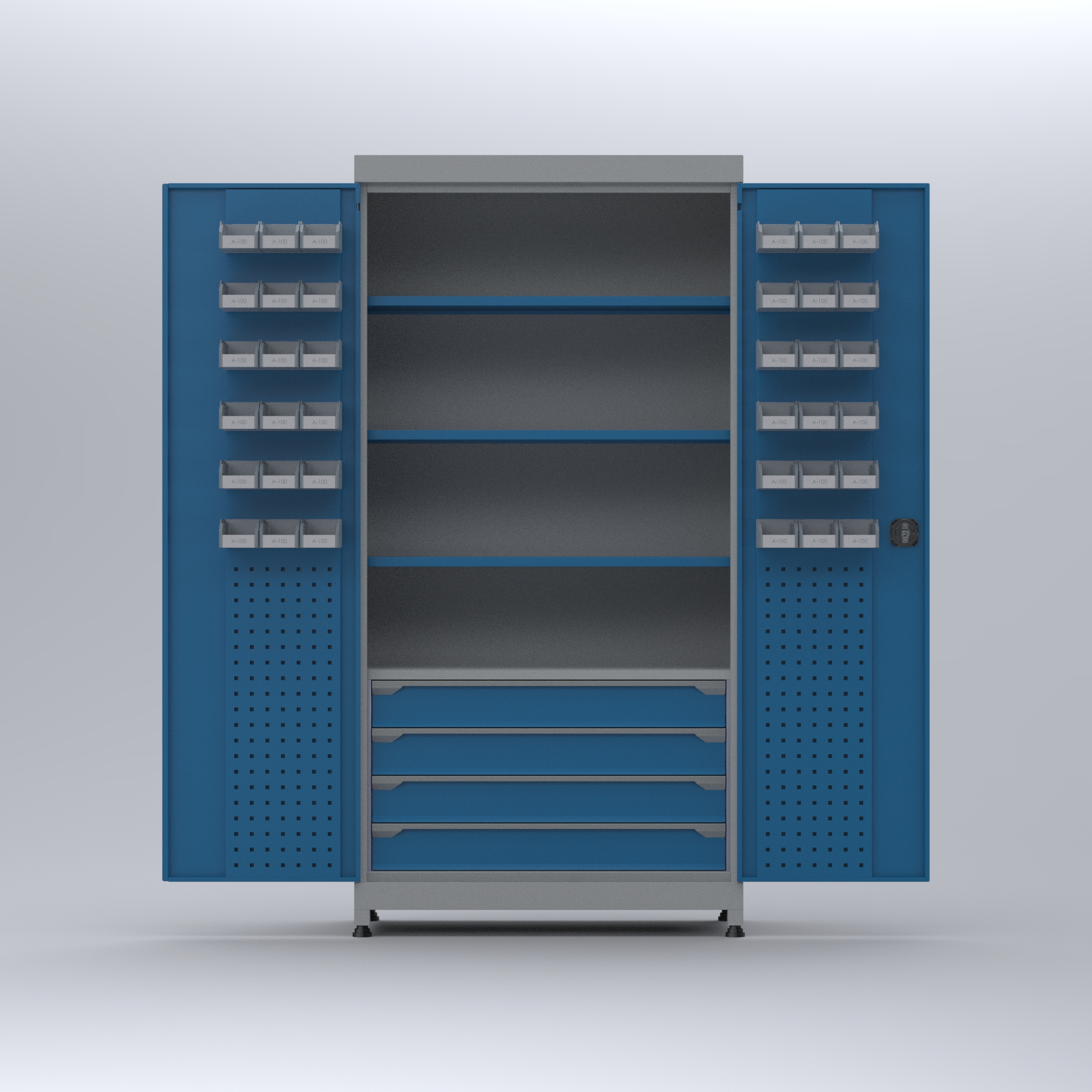
Placing frequently used products in easily accessible sections, coding the shelves and clearly separating the product groups can make daily work easier. Using boxes and dividers for small parts also prevents product mixing.
Also consider cleaning access. Shelves where the lower sections are inaccessible and products constantly accumulate around them make maintenance work difficult over time. A good layout should support both storage and keeping the area organized.
What's Included When Comparing Bursa Shelf Prices?
Looking only at the total bid amount when researching Bursa shelf prices can be misleading. Two shelves of the same length; They may differ in terms of depth, number of floors, carrying capacity, material properties and fasteners.
Compare offers based on the same features as much as possible. Clarify whether shipping, assembly, necessary fixings and any additional accessories are included in the price.
A lower priced option may be attractive at first. However, requiring additional shelves after a short time or not being suitable for your products may increase the total cost. On the other hand, choosing a system with features that exceed your needs may lead to unnecessary expenses.
What Questions Should You Ask When Selecting a Supplier?
When evaluating among Bursa shelf companies, look at the planning and implementation process as well as product photographs. A healthier work can be carried out with a supplier who asks about the dimensions of your business, the products you will store and usage habits.
Clarify the following issues during the interview:
- Is an on-site measurement or layout plan prepared?
- Are the carrying capacity and usage conditions presented in writing?
- What is the scope of delivery and assembly?
- Can additional parts suitable for the same system be found in the future?
- What is the warranty and after-sales support? conditions?
It may be beneficial to choose an expandable system, especially if you have growth plans. Being able to add new sections to a shelf layout consisting of several units today may reduce the need to change the entire system. It becomes easier to access the required material, it becomes more practical to keep track of stocks, and the available space is used more regularly.
Before deciding for Bursa shelving systems, prepare your product list, measure your usage area and note the problems you experience in daily operation. Then compare the options in terms of capacity, access, installation and future needs. This way, you can choose a system that adapts to the way your business works, not just a shelf that fits into the space.